
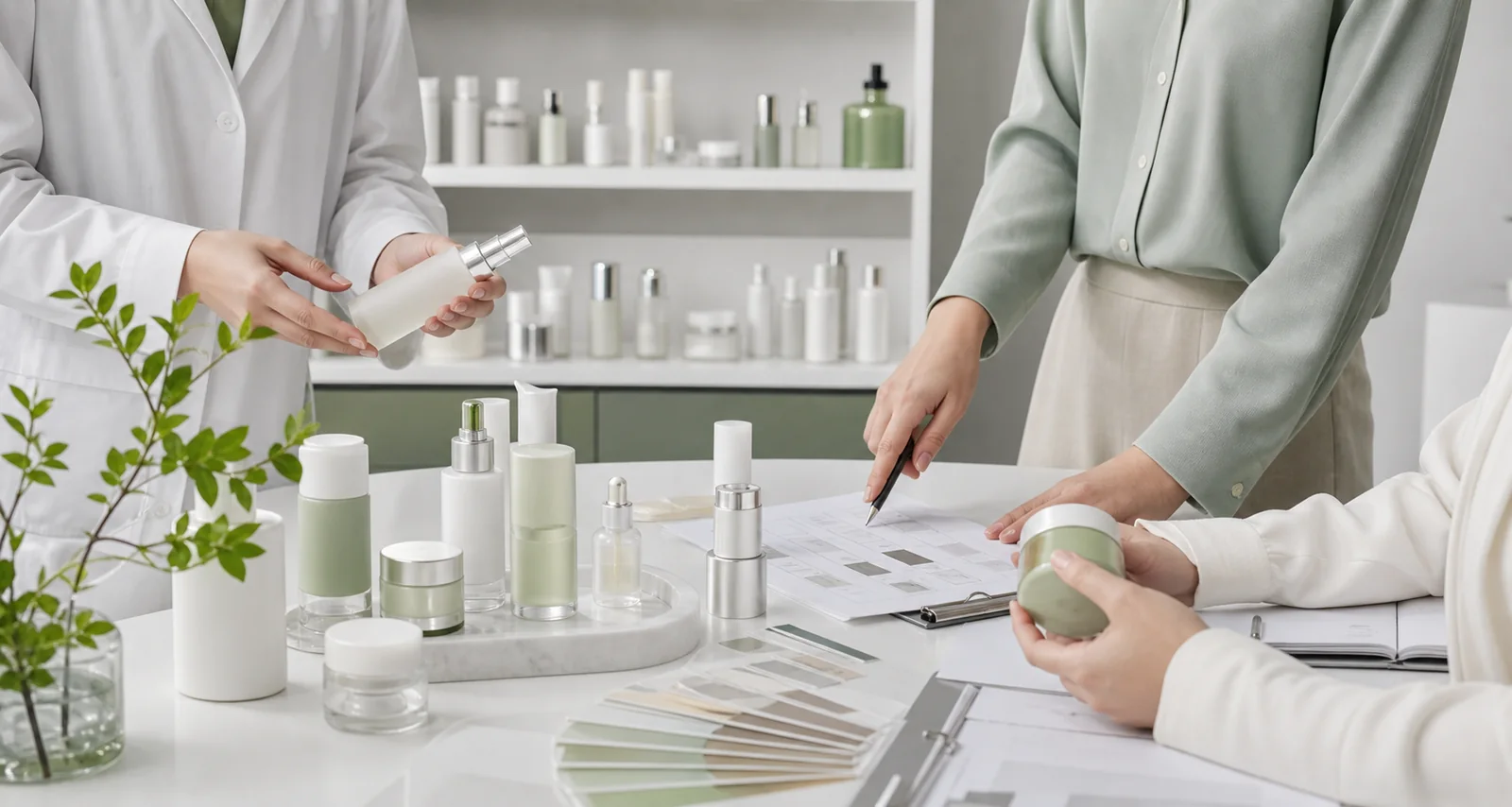
A pilot batch is the controlled step between an approved laboratory sample and routine bulk production. For a private label cosmetics buyer, it is an opportunity to confirm that the formula, process, filling operation and packaging work together at a more realistic production scale before the main order proceeds.
Bio Cosmorigin is an integrated cosmetics manufacturer and exporter in Guangzhou, China, with its own factory and in-house production. We support overseas B2B beauty brands with formulation, sampling, packaging and pilot-to-bulk production planning for skincare, hair care, body care, fragrance and makeup projects. This checklist explains the questions a buyer should settle before approving a pilot batch.
What a Pilot Batch Should Confirm
A pilot batch is not simply a larger sample. Its purpose is to test whether the approved product can be reproduced using the intended manufacturing sequence and packaging operation. The exact scale and review points depend on the formula, equipment, packaging and project risk.
- The correct formula and raw-material versions are being used
- The mixing order, time and temperature are practical at scale
- Appearance, odor, pH, viscosity or other agreed parameters remain acceptable
- The product can be filled into the selected packaging consistently
- Pumps, droppers, caps, tubes, jars or other components function as expected
- Records and retained samples are available for review
Freeze the Formula and Packaging Inputs
Before scheduling the pilot run, both sides should identify the exact formula revision, approved sample, fragrance or color reference, fill quantity and packaging component version. A change made after the pilot batch may affect the meaning of the result.
Buyers should connect this step to the pre-production sample approval checklist. The approved reference should be identifiable by a sample code, formula version, artwork version or written approval record rather than by an informal description such as “the latest sample.”
Record the Intended Process Parameters
The production-side team should record the process details needed to reproduce the batch. These may include ingredient addition order, mixing speed, heating or cooling stages, homogenization time, holding time and the point at which fragrance, color or sensitive ingredients are added.
These records do not need to be presented as marketing claims. They are working controls that support repeatability and help the team investigate a difference if a later batch does not match the approved reference.
Check the Product Before Filling
Review criteria should be agreed before the pilot batch is made. Depending on the product, the review may cover appearance, color, odor, pH, viscosity, texture, foam profile, spread, cooling behavior or other project-specific characteristics. Not every parameter is relevant to every cosmetic format.
- Compare the pilot batch with the approved laboratory sample
- Record measurements using the agreed method and conditions
- Note any adjustment made during processing
- Define who reviews and accepts an observed difference
- Retain a representative sample where appropriate
Formula targets should be established during custom cosmetic formulation, not invented after the production result is available.
Test Filling and Packaging-Line Fit
A formula can look acceptable in a beaker but behave differently during transfer and filling. Thick creams may fill slowly, foaming cleansers may trap air, volatile or fragranced products may need specific handling, and a pump or dropper may not dispense the intended amount consistently.
The pilot review should therefore include fill behavior, closure application, leakage observations, component function, label position, date-code area and the finished presentation. Review the separate packaging compatibility testing guide because a pilot batch does not replace an appropriate compatibility or stability program.
Define Acceptance, Changes and Next Steps
The buyer and production-side team should agree on what happens after review. A pilot batch may be accepted, accepted with documented minor adjustments, repeated after a material change or held while a question is investigated. Approval should state which formula, process and packaging version can move forward.
The cosmetics OEM/ODM quality agreement checklist can help define approval authority, change control, deviations and document responsibilities before bulk production.
Buyer Pilot Batch Checklist
- Approved formula and sample reference
- Confirmed raw-material, fragrance and color versions
- Final packaging component and fill quantity
- Target process parameters and in-process observations
- Product review criteria and responsible approvers
- Filling, closure and dispensing checks
- Artwork, label and date-code positions
- Retained sample and batch record plan
- Change-control and repeat-run criteria
- Written decision before bulk production
For broader context, ISO 22716 provides guidance on good manufacturing practices for cosmetic products. The specific controls, tests and documents required for a project should still be agreed according to the product, destination market and responsible parties.
Short Q&A for Private Label Buyers
Is a pilot batch the same as stability testing?
No. A pilot batch evaluates production and filling readiness at a defined scale. Stability and compatibility work evaluate how the formula and packaging behave over time under specified conditions. The activities may inform each other, but one does not automatically replace the other.
How large should a cosmetics pilot batch be?
There is no single quantity for every project. The appropriate size depends on the formula, available equipment, packaging trial requirements and the purpose of the run. Ask the manufacturing-side team what the proposed scale can meaningfully confirm.
Can packaging change after the pilot batch?
It can, but the change should be documented and reviewed. A different pump, bottle, tube, liner or closure may require additional filling, function, compatibility or presentation checks before bulk production.
Bio Cosmorigin’s manufacturing capability and OEM/ODM manufacturing process pages explain how qualified projects move through its own-factory and in-house production workflow. To discuss a pilot batch or production plan, send your product brief.
Before moving from pilot batch review to bulk production, buyers should also define what stability checks are expected for the formula, packaging and launch market. This formula stability testing checklist for private label cosmetics buyers explains the key information to prepare before production scheduling.